
count how to fix credit Fayetteville
count how to fix credit Fayetteville and available nationwide at MatosCredit.Com


About count how to fix credit Fayetteville
Transforming Your Credit Goals Into Reality
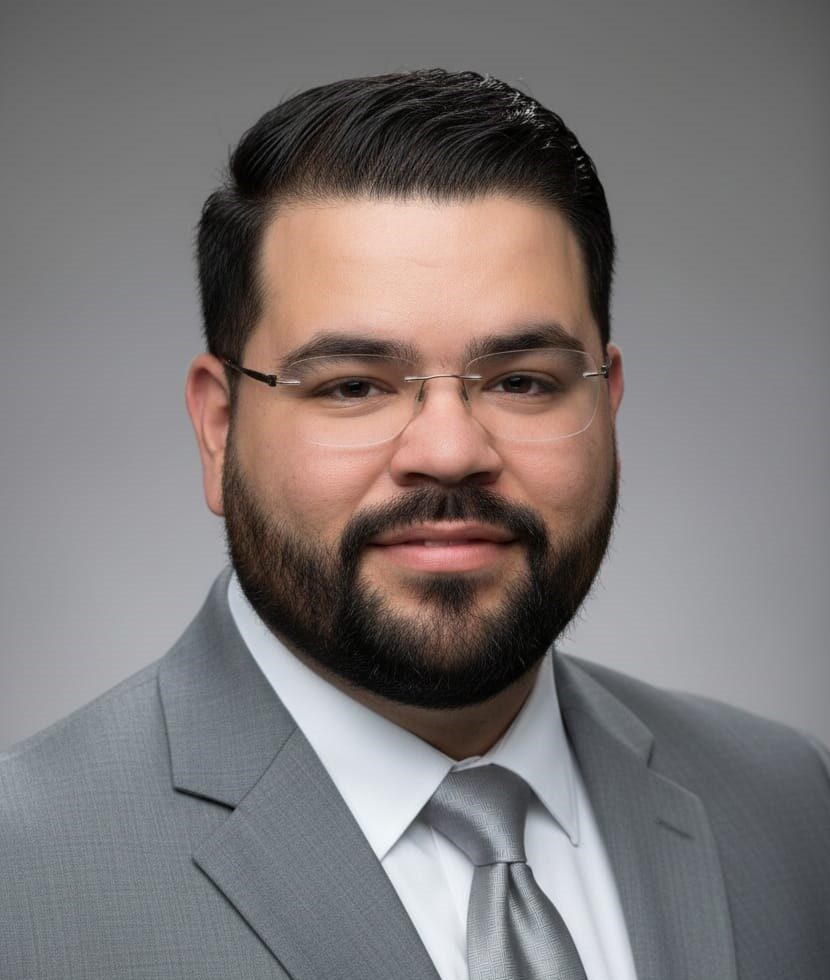
At MatosCredit.com, Mr. Lemay Matos Sr. and Zillie Matos have been providing professional credit repair services since 2009. With over a decade of hands-on experience, they are committed to accuracy, compliance, and maximizing every client’s credit potential. Their mission is to deliver reliable, personalized credit solutions built on trust, strategy, and proven expertise.
- count how to fix credit Fayetteville
Affordable Prices
At MatosCredit.com, we provide high-quality credit repair services at transparent, competitive rates designed to maximize your credit score — without maximizing your costs.
Expert Team
The experienced professionals at MatosCredit.com stay current with federal and state credit regulations to ensure accurate, compliant, and strategic dispute processes every time.
Sustainable Practices
MatosCredit.com operates with secure, paperless systems and efficient digital workflows to protect your personal information while streamlining the credit repair process.
Customer Focus
At MatosCredit.com, we prioritize clear communication, personalized credit strategies, and responsive support to deliver a smooth and stress-free credit repair experience.
Comprehensive Credit & Financial Solutions For count how to fix credit Fayetteville
At MatosCredit.com, we provide expert credit repair, financial consulting, and credit management services designed to improve your credit and strengthen your financial future. Whether you’re an individual, small business, or corporation, our experienced team creates tailored solutions to boost your credit, protect your finances, and help your financial goals thrive.
Silver Plans
For Singles
-
Bureau challenges/disputes
-
All 3 credit bureaus
-
1–2 accounts at a time
For Couples
-
Bureau challenges/disputes
-
All 3 credit bureaus
-
1–2 accounts at a time
*Gold Plans
For Singles
-
Bureau challenges/disputes
-
All 3 credit bureaus
-
2–4 accounts at a time
-
*Debt Negotiations
For Couples
-
Bureau challenges/disputes
-
One Year Subscription
-
2–4 accounts at a time
-
*Debt Negotiations
count how to fix credit Fayetteville
Introduction
Fixing your credit in Fayetteville can feel overwhelming, especially if you are facing collections, charge offs, or even a past bankruptcy. Yet with the right credit repair tips, a clear credit improvement plan, and a step by step credit repair guide, you can rebuild your credit score and open the door to better financial opportunities. Whether you live in Fayetteville, North Carolina, or the surrounding Cumberland County area, the fundamentals of credit score repair, credit rebuilding, and credit optimization are the same. This article will walk you through how to fix credit in Fayetteville legally, safely, and effectively, highlighting both DIY strategies and professional credit repair services available locally and online.
Throughout this complete credit repair blueprint, you will learn how to improve credit score, how to dispute credit errors, how to remove collections from credit, and how to raise FICO fast without falling for credit repair scams. We will cover the credit clean up process, explain your credit repair rights under the Fair Credit Reporting Act, and show you how to build new positive credit history using secured credit card strategy, credit builder loans, and other credit building strategies. We will also look at how to choose the best credit repair help in Fayetteville, including when a credit repair lawyer or credit repair professionals may be appropriate, and what to know about credit repair cost, credit repair contracts, and credit repair rules 2026.
By the end, you will have a practical credit restoration and credit redemption plan tailored to common problems faced by Fayetteville residents—such as medical collections from local providers, auto repossessions, military moves, and job disruptions. You will also find a comprehensive FAQ section to answer common credit repair questions and provide extra clarity as you move through your credit score improvement steps.
Credit score basics and how credit works
Before you can fix bad credit score or create a detailed credit repair plan, it is essential to understand credit fundamentals. Your credit score is a three digit number, typically ranging from 300 to 850, that summarizes your creditworthiness. In most cases, lenders in Fayetteville look at your FICO Score, although some also use VantageScore. Understanding how to improve FICO score means understanding the main factors that drive it: payment history, credit utilization ratio, length of credit history, types of credit, and new credit inquiries.
Payment history improvement is usually the most powerful driver, since on time payments account for roughly 35 percent of your FICO Score. Late payments, collections, charge offs, repossessions, and bankruptcies are derogatory marks that can seriously harm your score. Credit utilization improvement comes next; this refers to how much of your available revolving credit (like credit cards) you are using. High utilization can drag your score down even if you are never late. The length of credit history—how long your accounts have been open—matters as well, along with your mix of accounts (credit cards, auto loans, student loans, mortgages, etc.), and how recently you have applied for new credit.
When you start the credit clean up guide and credit report repair service process, you focus first on fixing inaccurate negative information on your credit report, then on improving your real behavior so your score climbs steadily. This dual approach—credit correction plus credit building—is the best way to fix credit and achieve a sustainable credit score boost.
Accessing and understanding your credit reports
The first concrete step in any credit restoration services or credit repair DIY project is to obtain your credit reports. Under federal law, you are entitled to a free credit report from each of the three major credit reporting agencies—Equifax, Experian, and TransUnion—through AnnualCreditReport.com. Your free credit report and free credit score tools are critical resources as you begin the credit analysis guide and credit file review process.
When you receive your reports, review them carefully for credit report issues, credit report errors, and signs of identity theft. Look for negative items such as late payments, collections, charge offs, bankruptcies, judgments, tax liens, repossessions, and foreclosures. Note the dates, account numbers, and creditor names. This is the foundation for your credit file audit and will drive your subsequent credit disputes, sample credit dispute letters, and credit letter examples.
In Fayetteville, you may see local medical collections from Cape Fear Valley Health or other regional providers, utility bill collections, payday loan collections, and old apartment leases reported as collections or judgments. Your goal at this stage is simply to identify all negative items that require credit record correction or legitimate credit rebuilding strategies. A credit repair checklist PDF or credit repair workbook can help you stay organized as you catalog each issue and set credit repair milestones and credit score improvement goals.
Credit dispute letters and removing inaccurate negative items
Once you understand what is on your credit reports, the next phase of the credit dispute management and credit report clean up process involves challenging inaccurate, incomplete, or unverifiable information. The FCRA dispute process gives you the right to dispute errors, and the credit reporting agencies must conduct a credit bureau reinvestigation and correct or delete items that cannot be verified.
You can write credit dispute letters yourself or use credit repair software or credit repair kit tools that provide credit dispute letters templates, credit dispute letter samples, and credit dispute letter PDFs. Your letter should clearly state which items you are disputing, why they are incorrect, and include copies (never originals) of supporting documents. You may send disputes directly to Equifax dispute, Experian dispute, and TransUnion dispute departments using credit bureau addresses or file disputes online. Credit bureau phone numbers and credit bureau emails are useful for follow up, but written letters create a stronger paper trail.
Common targets for dispute include accounts that do not belong to you (possible identity theft), duplicate accounts, incorrect balances or limits, outdated negative items that should have aged off, and misreported late payments. When successful, credit disputes can result in negative items removal, delete collections, delete charge off accounts, and delete late payments. This is not credit forgiveness in the sense of erasing legitimate debt, but rather legal enforcement of your right to accurate reporting.
If you have been a victim of credit identity theft, you may also need a fraud alert or credit freeze and repair strategy. Filing an FTC identity theft report, adding a consumer statement, and providing documentation to the bureaus can support removal of identity theft accounts and false credit claims.
Handling legitimate debts collections charge offs and public records
Not every negative item on your credit report is an error. Often, credit harm results from real missed payments, defaults, or legal actions. In these situations, your credit correction and credit rebuilding strategies focus on mitigating damage and negotiating the best possible outcomes. Fayetteville residents commonly face medical collections, student loan defaults, payday loan collections, and utility bill collections, so understanding options for remove medical collections, remove student loan default, and delete utility bill collections is especially valuable.
With collections, one option is a pay for delete letter or pay for delete agreement. In this arrangement, you negotiate with the collection agency to delete collections from your credit report in exchange for payment. Not all collectors will agree (and some credit repair laws and credit repair rules 2026 may limit this practice), but it can be an effective tool when available. At minimum, settling collections for less can help you move toward credit score rehabilitation, even if the record remains. Ensure any agreement is in writing before you pay, and keep copies for your records.
Charge offs—debts a creditor has written off as a loss—may also be negotiable. A charge off settlement strategy can reduce what you owe and may allow you to get the account updated as settled rather than outstanding. While delete charge off accounts is ideal, even a settled notation may help during manual underwriting for a mortgage or auto loan in Fayetteville.
For more serious issues, such as remove bankruptcy, remove repossession, remove tax lien credit, or remove judgment credit, the process is more complex. Many of these items age off after a certain number of years, but errors in reporting timing or status can be disputed. You may also consider consulting a credit dispute attorney or credit repair lawyer for complex public record issues or for an FCRA violation lawsuit or FDCPA violation lawsuit if your rights have been violated by a credit bureau or debt collector.
Building new positive credit and boosting your score
While cleaning up negative items is important, the other half of credit score improvement services and credit rebuilding services is building strong, positive credit history. To truly fix low credit score and achieve lasting credit score improvement, you must adopt credit building strategies that show lenders in Fayetteville you are a reliable borrower today, regardless of past mistakes.
Key tools include secured credit cards for bad credit, credit builder loans, credit builder card products, credit building loans, and credit building apps. Secured cards require a cash deposit as collateral and are widely available from banks and credit unions in and around Fayetteville. By keeping your utilization low and paying on time every month, you demonstrate responsible use and can gradually transition to unsecured credit cards for bad credit or even mainstream products.
Credit builder loans, such as Self Lender credit builder, Kikoff credit builder, or Credit Strong loan options, function by putting your payments into a savings or certificate account that you receive after the term ends. On time payments are reported to the credit bureaus, building positive trade line improvement. Rent reporting services and utility reporting to credit bureaus can also add nontraditional payments to your file, which is particularly helpful for renters and those with thin credit files.
Authorized user strategy and seasoned tradelines can sometimes accelerate credit-building, but they come with risks. Being added as an authorized user on a family member’s well managed credit card can boost credit score quickly if the card reports authorized users. However, paying for primary tradelines for sale or aggressive credit piggybacking strategy can be considered controversial, and some lenders discount these trade lines. Always prioritize organic, sustainable credit-building habits over shortcuts.
Budgeting debt management and responsible credit use
Fixing your credit is not just about disputes and new accounts; it is also about budgeting to fix credit and making sure you do not repeat past mistakes. In Fayetteville, where household budgets may be stretched by housing costs, childcare, or military moves, effective budgeting and debt management can be the difference between short term gains and long term credit health.
Start by listing your income, essential expenses, and all debt payments. A debt management plan or debt consolidation and credit strategy may help if you are overwhelmed. Non profit credit counseling and financial counseling for credit are available through national agencies that serve Fayetteville remotely, and sometimes through local organizations or churches. A credit counseling service can negotiate lower interest rates with creditors, help set up a single monthly payment, and provide credit management tips so you avoid future delinquencies.
When paying down debt, the debt snowball method focuses on paying off the smallest balances first for motivation, while the debt avalanche method targets the highest interest rates first to minimize total interest paid. Either can support credit utilization improvement and payment history improvement. Consider balance transfer offers carefully: while a balance transfer to improve credit can lower interest and utilization on one card, it may also introduce a new account and inquiry, so it must be managed strategically.
When to seek professional credit repair help in Fayetteville
Many Fayetteville residents are able to manage credit repair DIY using credit help tips, free credit help services, and online guides. However, in some situations, hiring a credit repair professional, credit improvement consultant, or credit repair attorney may be wise—especially if your case involves complex legal issues, identity theft, or large volumes of inaccurate data. Local credit repair specialists near me, credit repair experts near me, or nationwide credit repair services online can handle credit disputes, track timelines, and provide ongoing credit coaching.
When evaluating credit repair companies list options or searching for best credit repair near me, compare credit repair reviews, credit repair ratings, credit repair testimonials, and credit repair complaints. Check the credit repair BBB profile, and pay attention to credit repair accreditation and credit repair certification claims. A legit credit repair company follows the Credit Repair Organization Act (CROA), is transparent about credit repair fees, and does not promise instant credit score boost or guaranteed deletions of accurate negative information.
In Fayetteville, you may find both local credit repair company options and nationwide virtual credit repair service providers that offer phone and online support. Look for clear credit repair contracts, a written credit repair agreement, and credit repair disclosure of services. Reliable providers offer credit repair consultation free or low cost, a credit repair estimate, and a personalized credit repair action plan. Credit repair monthly service, credit repair subscription models, or flat fee packages can all be legitimate as long as pricing is transparent and there are no hidden credit repair cost surprises.
Recognizing and avoiding credit repair scams
Unfortunately, credit repair controversies and credit scammers warning stories are common across the country, including in Fayetteville. To protect your money and your identity, you must understand credit repair red flags and credit repair safety basics. Be wary of any company that asks for large upfront fees before providing any service, guarantees to erase bad credit history that is accurate, or advises you to create a new identity using an Employer Identification Number or “credit profile number.” Such tactics are illegal and can lead to serious legal problems.
Under credit repair laws and your credit law rights, you have protections. CROA prohibits certain deceptive practices and requires specific contract terms, including cancellation rights. Ethical, compliance focused credit repair services will emphasize credit repair transparency, credit repair compliance checklist adherence, and credit repair ethics. They will discuss both the benefits and limitations of credit repair, offering credit expert advice grounded in real credit score formula and credit history length rules rather than myths.
If you suspect a scam, consult the credit repair knowledge base of consumer protection agencies, read credit repair blog posts from reputable sources, and consider speaking with a consumer protection attorney. Reporting questionable providers helps the broader credit repair community and prevents others from falling into the same traps.
Credit rebuilding after major setbacks
Fayetteville residents often face unique financial stresses—military deployment, job loss, medical emergencies, or divorce—that can lead to severe credit damage. The good news is that credit rebuilding after bankruptcy, credit rebuilding after foreclosure, and credit score after divorce recovery are all possible with structured credit rebuild steps and a long term credit rebuild plan.
If you need to fix credit after bankruptcy, the process will vary slightly based on how long it has been. For example, fix credit after bankruptcy 2 years or fix credit after bankruptcy 5 years will focus on aggressive new positive tradelines and strict budgeting. Fix credit after bankruptcy 7 years may also involve ensuring that the bankruptcy and included accounts have correctly aged off. Similar approaches apply when you fix credit after foreclosure, credit after repossession, credit after settlement, or credit after judgment, though the timelines differ.
In all of these cases, your emphasis should be on disciplined payment history improvement, careful credit utilization management, and responsible use of new credit builder card or secured credit card products. Credit wellness programs, credit help company resources, and credit education resources can support you as you build new credit-building habits that last.
Credit repair and major life goals in Fayetteville
Ultimately, most people pursue credit score repair not as an abstract goal, but to qualify for specific opportunities—mortgage approval, auto loans, apartment leases, or business financing. In Fayetteville, this often includes credit repair for mortgage approval, credit repair for FHA loan, credit repair for VA loan (especially relevant to military families), and credit repair for USDA loan in rural areas around the city. Lenders typically have a minimum credit score for mortgage and may offer better interest rates at higher tiers, so credit score improvement goals tied to 620, 650, 700, 750, or even 800 become important milestones.
Similarly, credit repair for auto loan, credit repair for personal loan, and credit repair for apartment approval can raise your odds of acceptance and lower your required deposits. Credit repair success stories frequently involve people moving from a 500 credit score or 550 credit score up to the low 600s or mid 600s, unlocking better terms for basic borrowing needs. With sustained effort, reaching 700 or higher is absolutely realistic.
By aligning your credit fix guide with these life goals—homeownership, reliable transportation, stable housing—you gain motivation and clarity. Every dispute letter, on time payment, and budgeting adjustment becomes part of a larger credit success plan and financial recovery plan that serves you and your family in tangible ways.
Frequently asked questions about fixing credit in Fayetteville
1. How long does credit repair take?
Credit repair timeline varies, but many people see initial improvements within 60 to 90 days after starting disputes and improving payment habits. Complete credit clean up and credit score optimization may take 6 to 18 months, depending on how severe your credit problems are and how consistent you are with your credit improvement plan.
2. What is the best way to fix credit in Fayetteville?
The best way to fix credit combines dispute of inaccuracies, paying down high utilization, building new positive tradelines (such as secured cards and credit builder loans), and creating a realistic budget. Whether you use DIY methods or credit repair services, consistency is key.
3. Can I fix my credit fast?
While there is no legitimate instant credit score boost, some changes—like paying down credit card balances to lower your credit utilization ratio—can lift credit score within a single billing cycle. Deleting incorrect negative items via disputes can also create relatively quick gains once resolved.
4. Do credit repair companies really work?
Reputable, licensed credit repair professionals and trusted credit repair companies can help manage disputes, track deadlines, and coach you on strategy. However, they cannot do anything you could not theoretically do yourself, and results depend on your specific credit file and cooperation.
5. How much do credit repair services cost?
Credit repair cost varies widely. Some firms charge flat fees; others offer monthly credit repair subscription plans. In Fayetteville and nationwide, you might see prices from under $100 per month to several hundred, depending on services such as attorney support, monitoring, or identity theft protection.
6. What are my credit repair rights?
You have rights under the Fair Credit Reporting Act (FCRA) and the Credit Repair Organization Act (CROA). These laws regulate how credit bureaus must handle disputes and how credit repair businesses must operate, including disclosure, contract terms, and banning deceptive claims.
7. How do I dispute credit report errors?
First, get your reports from AnnualCreditReport.com. Then, write a credit dispute letter or use a credit dispute template, clearly identifying the inaccurate item and providing supporting documents. Send it to the bureaus (Equifax, Experian, TransUnion) and, ideally, to the creditor. Keep copies and track responses.
8. Can I remove collections from my credit report?
If a collection is inaccurate, you can dispute it and request removal. For valid collections, you may negotiate pay for delete in some cases, though it is not guaranteed. Otherwise, paying or settling can help your overall profile, and over time, its impact diminishes.
9. Is it possible to remove late payments?
Incorrect late payments should be disputed. For legitimate ones, you can request goodwill deletion via a goodwill letter for late payments, especially if you have a strong history with the creditor and the late was due to a one time hardship.
10. How can I increase credit score quickly?
Focus on lowering revolving utilization, bringing any past due accounts current, and avoiding new hard inquiries. In some cases, becoming an authorized user on a responsible person’s card can help, though results vary by lender and scoring model.
11. Should I hire a credit repair lawyer?
A credit repair attorney may be appropriate when you suspect serious FCRA or FDCPA violations, large scale reporting errors, or when you are considering suing a bureau or collector. For routine disputes, a lawyer is usually not necessary but can be helpful if your case is complex.
12. What is the difference between credit counseling and credit repair?
Credit counseling focuses on budgeting, debt management plans, and financial education, often through non profit agencies. Credit repair focuses on correcting your credit reports via disputes and guidance on building credit. Many people benefit from both.
13. Will closing credit cards help my credit?
Usually not. Closing cards can reduce your total available credit, raising your utilization, and may shorten your average credit history. In most cases, it is better to keep accounts open (with low or zero balances) unless there is a strong reason to close them.
14. How many points can my score increase?
There is no fixed amount, but many people who aggressively address errors, pay down debt, and build positive history can see improvements of 50 to 150 points or more over time. Results depend on your starting point and actions.
15. Are credit repair services near me better than online ones?
Not necessarily. Local credit repair services may offer face to face meetings, but high quality nationwide online credit repair company options can be equally effective. Focus on reputation, transparency, and service offerings, not just location.
16. How do hard inquiries affect my score?
Each hard inquiry (from applying for credit) may cause a small temporary drop in your score, often 5 to 10 points. Multiple inquiries in a short period can have a larger impact, though rate shopping for mortgages or auto loans is often grouped as one inquiry within a certain timeframe.
17. What is credit utilization and why is it important?
Credit utilization is the ratio of your credit card balances to your total credit limits. Lower utilization (generally under 30 percent, and ideally under 10 percent) is better for your score. High utilization signals risk and can significantly drag your score down.
18. How long do negative items stay on my credit report?
Most negative items remain for seven years from the date of first delinquency. Bankruptcies can remain up to ten years, depending on the type. Some inquiries stay for two years, though their effect on your score fades sooner.
19. Do credit repair programs offer guarantees?
Some credit repair services advertise money back guarantees or satisfaction guarantees. However, no one can legitimately guarantee specific deletions or a precise score increase. Be cautious of any promises that sound too good to be true.
20. Can I repair credit online by myself?
Yes. Many consumers successfully use credit repair DIY methods, leveraging free credit report access, sample dispute letters, and credit education resources. It requires time, organization, and persistence, but it can be very effective.
21. Is being an authorized user safe?
Authorized user strategy can help if the primary cardholder has low utilization and perfect payment history. However, if they miss payments or max out the card, your score can suffer. Choose someone reliable and monitor the account.
22. Will paying off collections delete them automatically?
No. Paying collections often updates them to “paid” or “settled,” but they typically remain for the full reporting period. You can negotiate for deletion in advance or attempt a goodwill adjustment afterward, but removal is not automatic.
23. How can students and young adults in Fayetteville build credit?
Students and recent graduates can start with secured credit cards, student cards, credit builder loans, and rent reporting. Keeping balances low and paying on time—even small amounts—lays the foundation for strong credit early on.
24. Are there special credit repair tips for veterans and military families?
Yes. Military families in Fayetteville may qualify for certain protections under the Servicemembers Civil Relief Act, and many lenders and counseling agencies offer tailored programs. Monitoring your credit during deployments, setting up autopay, and using military friendly credit products can help prevent issues.
25. How do I stay motivated during the credit repair process?
Credit fix motivation comes from setting clear goals (such as qualifying for a VA loan or lowering car loan interest), tracking progress with a credit score simulator or credit score tools, and celebrating milestones. Joining a credit repair community or credit repair forum can also provide peer support and encouragement.
Conclusion
Fixing your credit in Fayetteville is absolutely achievable with the right information, tools, and persistence. By understanding credit score basics, accessing and auditing your reports, using effective credit dispute letters to challenge errors, and negotiating with collectors when appropriate, you can begin to repair bad credit history and remove or mitigate many negative marks. At the same time, by following smart credit building strategies—such as secured credit cards, credit builder loans, and consistent on time payments—and implementing a realistic budgeting and debt management plan, you will steadily improve your financial health.
Whether you choose a DIY path with free credit help services and credit improvement FAQ resources, or partner with reputable credit repair professionals and credit improvement experts, the core credit repair steps remain the same: identify problems, correct inaccuracies, manage debt strategically, build positive history, and stay committed over time. As your credit score rises, new opportunities open—better mortgage rates, affordable auto financing, easier apartment approvals, and increased financial flexibility for you and your family.
Ultimately, credit repair in Fayetteville is not just about numbers on a report; it is about building a stronger financial foundation and a more secure future. With patience, knowledge of your credit legal rights, and a structured credit improvement plan, you can move from past credit harm to real credit repair success stories—and use your improved credit standing as a powerful tool for achieving your long term goals.
Why count how to fix credit Fayetteville
Our Commitment to Excellence Credit Repair
Expertise & Experience For count how to fix credit Fayetteville
At MatosCredit.com, our experienced professionals bring years of practical knowledge to deliver accurate, dependable, and strategic credit repair and financial services.
Customized Solutions For count how to fix credit Fayetteville
MatosCredit.com takes a personalized approach, developing tailored credit strategies designed to meet your specific personal and financial goals.
Sustainable Practices For count how to fix credit Fayetteville
At MatosCredit.com, we focus on long-term financial health by implementing responsible, compliant, and results-driven credit strategies for every client we serve.



Testimonials
Honest Reviews from our Customers For count how to fix credit Fayetteville

Jane Anderson
Hair Specialist, Fayetteville
“The team at MatosCredit.com completely transformed our credit situation. Their attention to detail, personalized strategies, and dedication exceeded our expectations!”

Ready to spend less time worrying about your credit?
Contact us today to schedule a consultation or to learn more about our services.